Teacher Sensitisation Workshop on Emotionally Safe Classrooms and Responsible Discipline
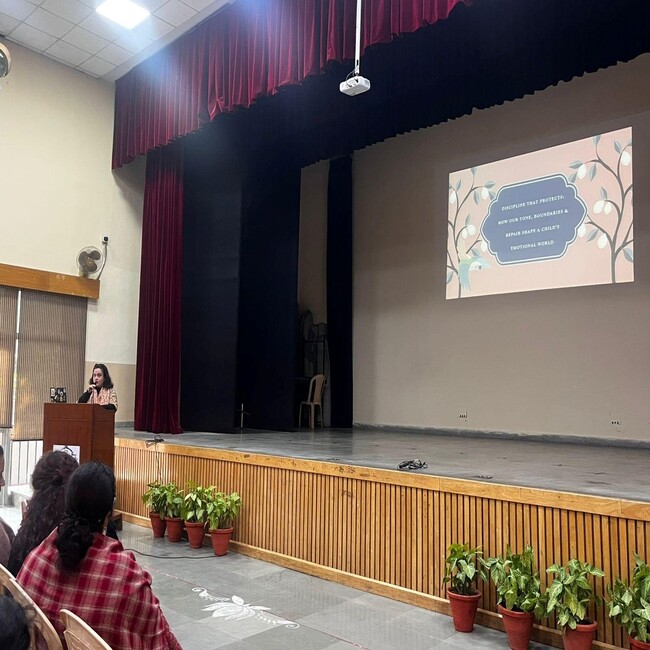
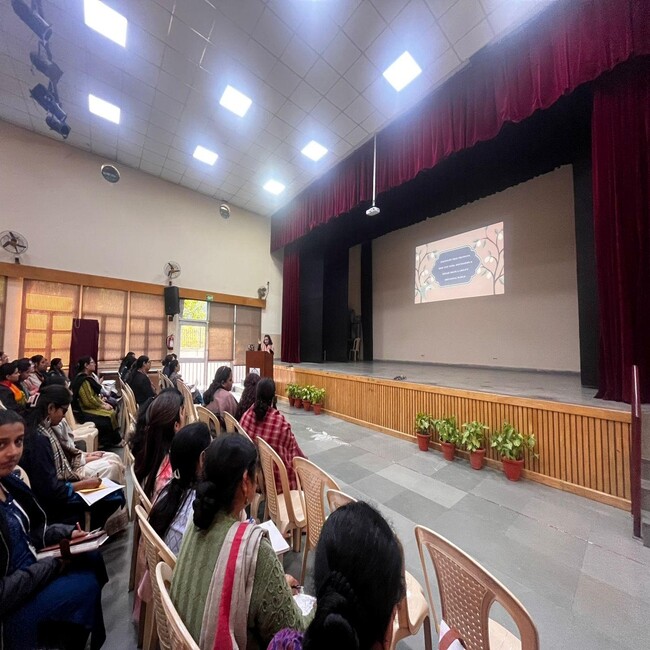
In response to the recent and deeply distressing incident in Delhi, where a young student died by suicide following allegedly repeated harsh treatment from teachers and a senior administrator, our School held a comprehensive Teacher Sensitisation Session on 21st November 2025.
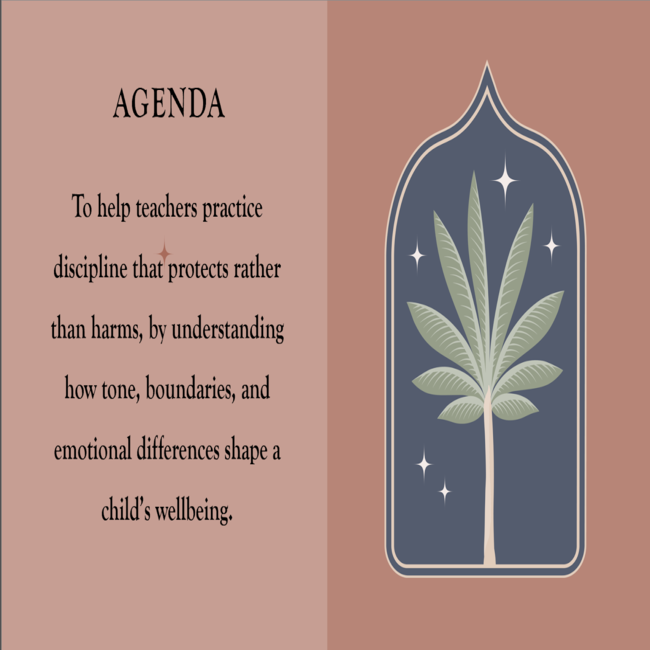
The session was facilitated by Ms Meghna Joshi and Ms Vrinda Bansal and aimed to reinforce staff awareness of the profound impact that everyday interactions can have on a child’s emotional well being. Recognising that such tragedies are rarely the result of a single moment, but rather the cumulative effect of repeated humiliation, dismissal, or fear, the session focused on creating emotionally safe classrooms where students feel valued, seen, and supported.
The facilitators guided the staff through a nuanced understanding of discipline, emphasising the difference between healthy boundary-setting and harmful criticism. Teachers explored how discipline, when exercised with clarity, consistency, and respect, maintains classroom order while protecting both student dignity and teacher authority. Conversely, harsh comments, sarcasm, public criticism, or humiliation may achieve short-term compliance but can significantly undermine a child’s sense of self-worth over time. The session highlighted that students are not on an equal emotional playing field: some children have strong emotional scaffolding at home and can absorb occasional corrective feedback without distress, while others, who may be vulnerable due to family circumstances, academic pressure, or mental health challenges, may experience even minor negative interactions as overwhelming or damaging.
Addressing a common question among teachers, the facilitators clarified that one single comment does not lead to self-harm, but repeated instances of harshness, humiliation, or dismissal can increase a child’s emotional vulnerability. Teachers were trained to recognize early signs of distress, including withdrawal, irritability, sudden drops in academic performance, or expressions of hopelessness, and to respond appropriately. The session also emphasised the importance of repair after a rupture. Even when teachers lose their temper or respond sharply in the heat of the moment, acknowledging the impact, validating the child’s feelings, and restoring a respectful connection are critical to maintaining trust and safety. Practical scripts and communication strategies were shared to help teachers navigate these moments confidently.
Another key focus was teacher well being. The facilitators reminded staff that emotionally safe classrooms are only possible when teachers themselves are supported, regulated, and able to manage stress. Systemic pressures, heavy workloads, and personal temperament can contribute to moments of harshness, and acknowledging this is an essential step toward prevention. Strategies for emotional regulation, co-regulation, and timely support were discussed to empower teachers to maintain their own mental wellness while nurturing their students.
The session was highly interactive, allowing teachers to reflect on real classroom situations, explore healthier communication strategies, and understand the profound responsibility adults hold in shaping a child’s emotional world. It reinforced that while students’ vulnerabilities differ, the school can provide consistent, compassionate, and psychologically safe support to every child. By framing discipline with dignity, emphasising the impact of repeated interactions, and prioritising both student and teacher wellbeing, the workshop marked a significant step in cultivating a caring, responsive, and emotionally resilient school environment.
 In the Press
 Admissions