Disaster Management and Emergency Response Workshop for classes 10 and 11
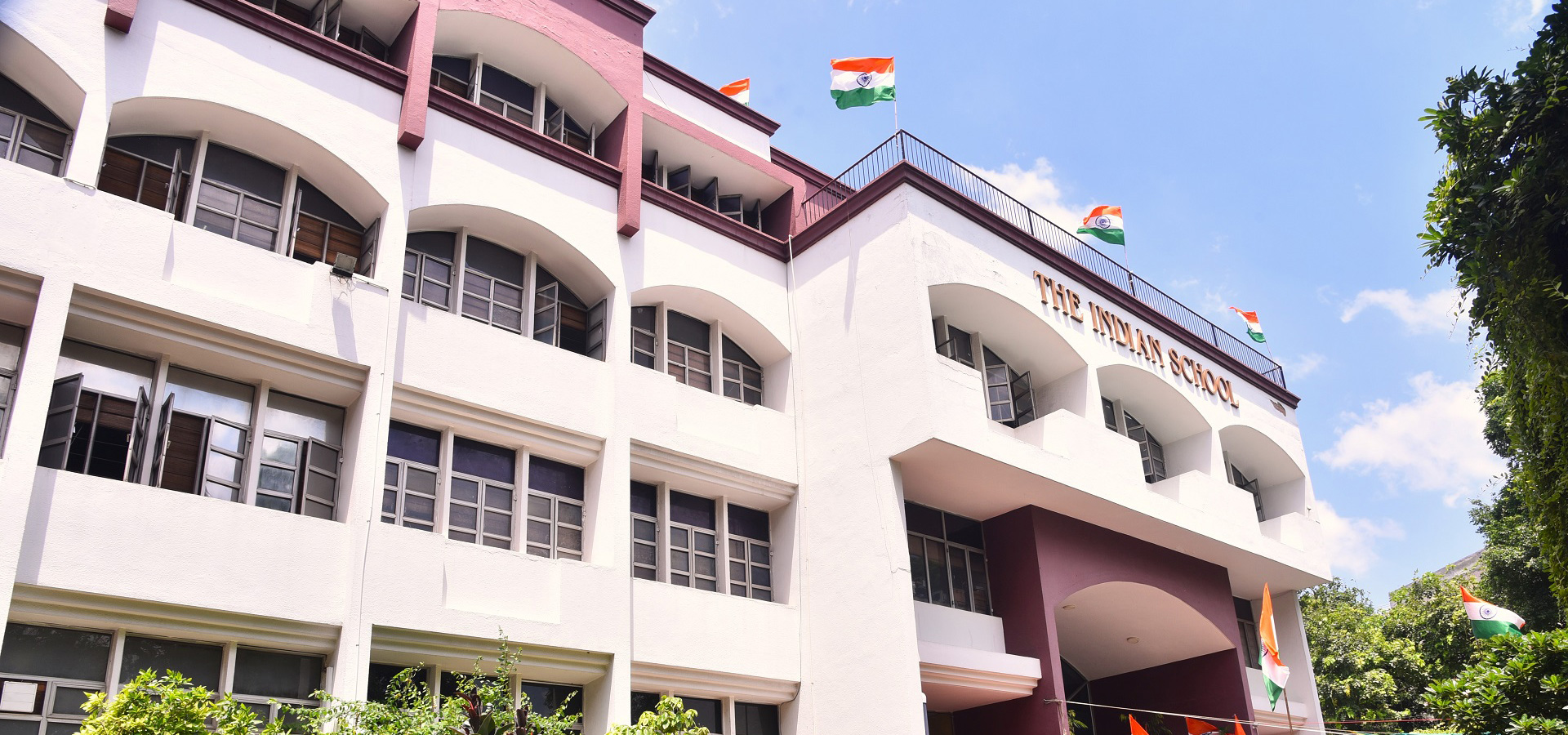
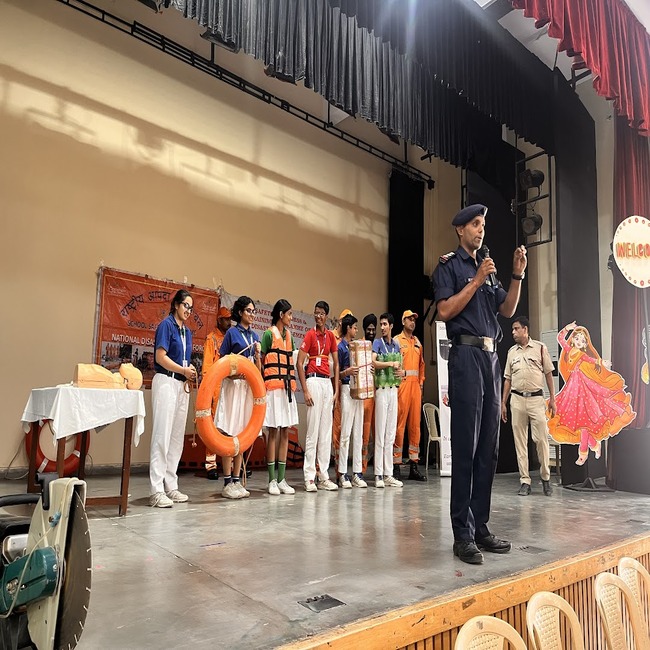
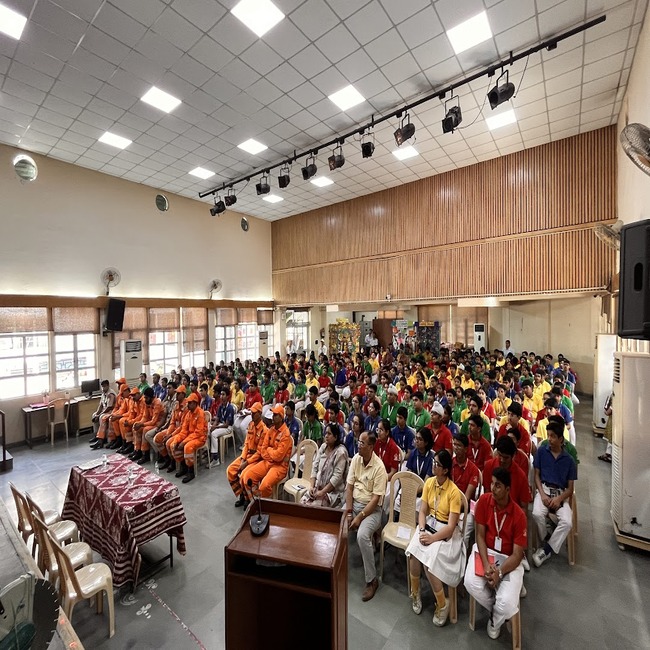
A Disaster Management and Emergency Response Workshop was organised on 23 April 2026 at The Indian School by the District Disaster Management Authority. The session, "Disaster Management and Emergency Response Workshop," was conducted by the National Disaster Response Force (NDRF) under the guidance of Inspector Sunil Kumar. The primary objective of the workshop was to raise student awareness of disaster preparedness, emergency response techniques, and essential life-saving skills. The workshop was attended by the students of classes X and XI.
The workshop began with an introduction to the role and functioning of the NDRF, which was established in 2006 under the Ministry of Home Affairs to respond effectively to natural and man-made disasters. The resource person highlighted the importance of trained personnel and continuous skill development in disaster response.
A major focus of the session was on earthquake awareness. Students were informed that Delhi lies in a high-risk seismic zone and is vulnerable to earthquakes of considerable magnitude. They were educated about the causes and effects of earthquakes, along with essential safety measures such as remaining calm, following the “Drop, Cover, and Hold” technique, avoiding elevators, and evacuating safely to open areas after the tremors subside. The concept of aftershocks and the importance of maintaining a safe distance from buildings were also explained.
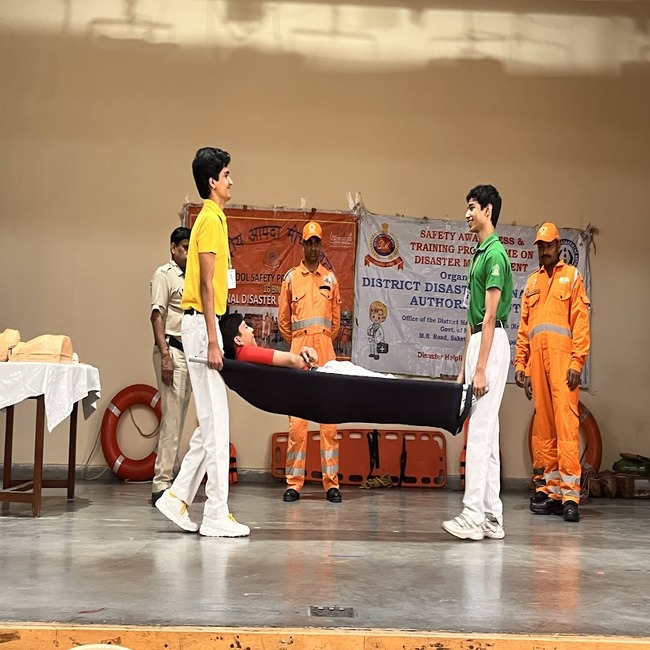
The NDRF team demonstrated practical rescue techniques for assisting injured individuals. Students were shown how to safely move an unconscious person using a blanket and how to create an improvised stretcher using cloth and rods in the absence of proper equipment. Selected students were invited to participate in demonstrations, making the session more engaging and experiential.
The workshop also included a detailed segment on first aid and bleeding control. Students learned about the basic components of blood and the importance of timely intervention in emergencies. Techniques such as applying direct pressure, bandaging wounds, elevating injured limbs, and using a tourniquet in severe cases were explained. Emergency ambulance numbers (108 and 102) were also shared.
In addition, students were introduced to life-saving procedures, including CPR (Cardiopulmonary Resuscitation). A structured emergency response protocol, checking for response and pulse, performing CPR, and providing rescue breathing, was demonstrated. Emphasis was placed on the importance of administering CPR within the critical 5–8-minute window.
Awareness about floods and fire safety was also included in the session. Students were guided on precautionary measures during floods, such as moving to higher ground and avoiding waterlogged areas. Fire safety techniques, including the correct use of fire extinguishers through the PASS method (Pull, Aim, Squeeze, Sweep), were demonstrated effectively. The disaster helpline number (1077) was shared to ensure students are aware of emergency contact services.
Overall, the workshop proved to be highly enriching and practical. It not only enhanced students’ awareness of disaster management but also equipped them with essential skills to respond effectively in emergency situations.
 In the Press
 Admissions